
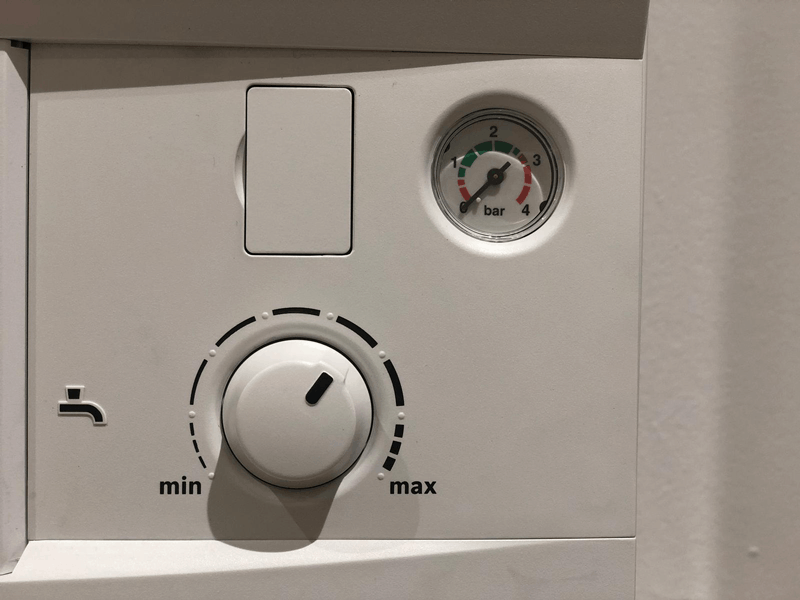
If your boiler pressure keeps dropping, you’re not alone. This is one of the most common problems we’re called out to fix, especially in Fife, Edinburgh, Glasgow, Dundee, Aberdeen and across mainland Scotland. While low boiler pressure can be frustrating, it usually has a straightforward cause, and in some cases, a simple fix.
In this blog, we’ll explain what boiler pressure actually is, why it matters, what might be causing it to drop, and what you should (and shouldn’t) do next.
What is Boiler Pressure?
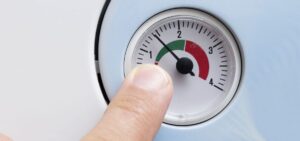
Boiler pressure refers to the balance of water and air inside your central heating system. Most boilers in Scotland — whether combi, system, or regular — should have a pressure reading between 1.0 and 1.5 bar when the system is cold. If it drops below 1.0, your boiler may stop working or show an error code.
Why Does My Boiler Keep Losing Pressure?
Here are the most common reasons:
1. Leaks in the System
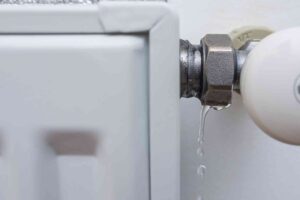
Small, hidden leaks are the #1 cause of pressure loss. These could be in the boiler itself, the pipework, or your radiators.
- Look for damp patches under pipes or radiators
- Check around radiator valves
- Inspect visible pipework for drips or corrosion
Leaks might be tiny, but over time they cause significant pressure drops. Never add leak sealer without knowing the exact issue — it’s best to have it checked.
2. Bleeding Radiators
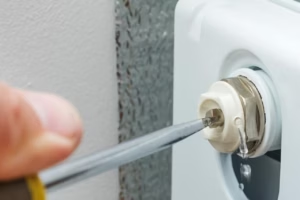
Did you recently bleed your radiators? This removes trapped air but also releases water from the system, which can cause a pressure drop.
Top tip: Always check the pressure after bleeding and repressurise if needed.
3. Faulty Pressure Relief Valve (PRV)
The PRV is a safety component that releases water if the pressure gets too high. If it’s faulty or has debris inside, it may let water out even when it shouldn’t, slowly reducing your system’s pressure.
4. Failed Expansion Vessel
This component absorbs pressure fluctuations. If it’s damaged or flat, pressure will fluctuate rapidly — often rising too high, triggering the PRV, then falling too low.
Signs include:
- Pressure shoots up when heating is on
- Drops too low when heating is off
5. Air in the System
Air pockets can interrupt circulation and confuse pressure readings. If some radiators aren’t heating properly or you hear gurgling sounds, air might be the issue.
Should I Repressurise the Boiler Myself?
Yes — if it’s just a one off drop, it’s safe to top up the pressure yourself:
- Turn the boiler off
- Locate the filling loop (usually two small taps or a silver braided hose)
- Slowly open the valves to let water into the system
- Watch the gauge rise to 1.5 bar
- Close the valves and turn the boiler back on
If you’re having to do this regularly, there’s a bigger issue, time to call in the pros.
When to Call MPH Group
If your boiler keeps losing pressure and you’re in Fife, Edinburgh, Glasgow, Dundee, Perth, Aberdeen, or anywhere across mainland Scotland, we can help.
✅ Same-day boiler diagnostics ✅ Gas Safe engineers ✅ All boiler types and brands ✅ Honest, friendly service
We’ll quickly identify the root cause, whether it’s a leak, faulty component or just a system imbalance and get your heating and hot water working again.
FAQs: Boiler Pressure Issues
Is low boiler pressure dangerous?
No, it just means your boiler won’t work properly. It’s not a safety risk.
What pressure should my boiler be?
Ideally between 1.0–1.5 bar when cold. It may rise slightly when heating is on.
Do I need a new boiler if the pressure keeps dropping?
Not always. Sometimes it’s just a leak somewhere or a valve, seal, or internal part that needs replaced.
Can I fix pressure loss with leak sealer?
We don’t recommend DIY leak sealers unless advised. It’s better to find the root cause.
